Xu Jianguo: In the face of the epidemic, how does China respond to repeated challenges?

Plague, the "No.1 disease" in Class A infectious diseases.
How harmful is the plague? Plague is an acute infectious disease that seriously endangers human life, one of the three major quarantine infectious diseases in the world, and a Class A infectious disease stipulated in the Law of People’s Republic of China (PRC) on the Prevention and Control of Infectious Diseases.
From 1644 to 1899, the number of plague cases in China reached 1.44 million, and more than 1.37 million people died. From the end of 1910 to March 1911, the biggest plague occurred in modern history of our country. The epidemic first occurred in Manzhouli, and soon spread to Harbin and the whole northeast. More than 60,000 people died.

In the early days of the founding of New China, in July 1949, a plague broke out in Inner Mongolia, and it spread to Zhangjiakou on October 25, with the trend of expanding the epidemic area and spreading to the capital.
The Party Central Committee quickly established the Central Committee for Epidemic Prevention and the Central Epidemic Prevention Corps, which responded promptly, made scientific decisions, took effective measures, mobilized the masses, put prevention first, and achieved great victory in fighting the plague. New China has withstood the severe test of the first major infectious disease, and this struggle has provided experience and enlightenment for the health and epidemic prevention in new China.

The situation of infectious diseases is grim, which has caused great losses to people’s lives and health in China, and also affected social and economic development. In order to carry out the work policy of putting prevention first, carry out mass health campaigns, and prevent and control epidemics of major infectious diseases such as plague and cholera, in May 1952, under the leadership of the CPC Central Committee, the "Patriotic Health Campaign" was launched nationwide.
In the struggle to prevent and control infectious diseases and protect people’s lives and health, the older generation of scientists, represented by Ji Shuli, took plague prevention and research as their lifelong career and worked hard all their lives.

Nearly seventy years old, he is still struggling in the front line of health and epidemic prevention.
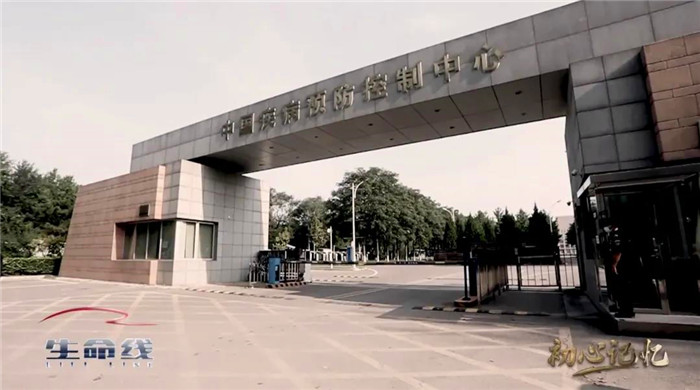
In the early days of the founding of New China, the establishment of epidemic prevention institutions, represented by the Central Committee for Epidemic Prevention, the Central Epidemic Prevention Corps and provincial and county epidemic prevention stations, opened the prelude to the cause of health and epidemic prevention in New China and made outstanding contributions to the prevention and control of infectious diseases in China.
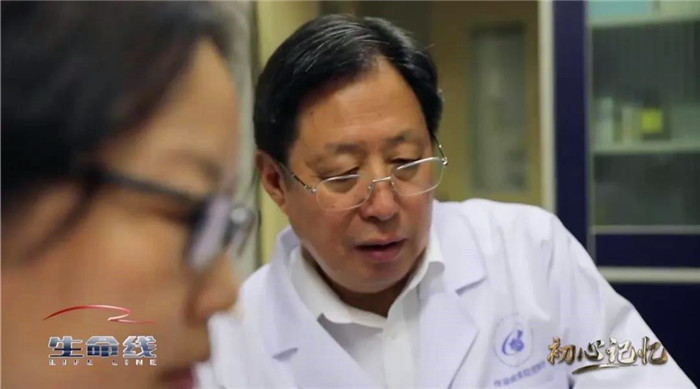
Xu Jianguo, as a medical microbiologist and academician of China Academy of Engineering, has been closely related to the cause of infectious disease prevention and control in China for more than 40 years. After 2004, in order to meet the challenge of emerging infectious diseases, Academician Xu Jianguo led disease control personnel to establish more than 80 pathogen detection technologies and reagent reserves. Relying on these technologies and talent reserves, they can identify pathogens in time and accurately when an outbreak of unknown causes occurs, and play a decisive role, effectively confronting many epidemics such as human infection with streptococcus suis.
After the founding of New China, under the strong leadership of the CPC Central Committee, China established a strong and effective health anti-epidemic system, which realized government-led, scientific anti-epidemic, national participation, mass prevention and mass treatment, and gradually built a strict anti-epidemic defense line.
Today, China already has a professional team of epidemic prevention who are able to fight well, have high morale, excellent technology, rich experience and dedication all over the country, and actively respond to the challenges of each epidemic. The history of China people’s continuous "anti-epidemic" is the epitome of our country and nation’s growing strength. We should blaze new trails, take the initiative to attack, meet the challenges of emerging infectious diseases that may occur in the future, minimize the harm of infectious diseases, and make contributions to the country’s economic and social development.

In this programme, Xu Jianguo, an academician of China Academy of Engineering, will tell you the story of the struggle of Chinese disease control people.
"Medical Heart to the Party — — The fourth episode of "First Memory" will be broadcast on CCTV-12 "Lifeline" at 12:00 on August 5th, and will be broadcast simultaneously on CCTV, CCTV, Healthy China and other platforms. Please watch.